

Insulation Gasket Material
Insulation Gasket Material is a specialized sealing and electrical isolation material designed to prevent the transfer of electricity, heat, and sometimes vibration between connected components. It is commonly used in mechanical, electrical, and industrial systems where safety, performance, and long-term reliability are important. By creating a barrier between two surfaces, insulation gasket material helps reduce energy loss, protect equipment, and improve overall system efficiency.This material is available in a variety of forms, including sheets, rolls, and pre-cut gaskets. It can be manufactured from rubber, fiberglass, PTFE, silicone, neoprene, cork, aramid fiber, or composite materials, depending on the application. Each type offers different levels of resistance to temperature, pressure, chemicals, and electrical current. For example, rubber-based gasket materials are often chosen for flexibility and sealing performance, while PTFE materials are preferred for chemical resistance and low friction. Fiberglass and composite insulation gasket materials are widely used in high-temperature environments because of their durability and stable performance.One of the main advantages of insulation gasket material is its ability to provide both sealing and insulating functions at the same time. In many systems, it must prevent fluid or gas leakage while also isolating electrical components or reducing thermal transfer. This dual function makes it especially valuable in pipelines, transformers, flanges, motors, generators, pumps, and heating equipment. In electrical applications, it can help protect against short circuits and improve operational safety. In thermal systems, it can reduce heat loss and increase energy efficiency.Insulation gasket material is also valued for its adaptability. It can be cut, punched, molded, or machined into different shapes and sizes to fit specific design requirements. Some materials are soft and compressible, allowing them to fill surface irregularities and create a tight seal. Others are rigid and strong, providing structural support and excellent resistance to compression set. The selection of the right material depends on operating temperature, pressure, chemical exposure, electrical requirements, and the physical conditions of the installation.In addition to technical performance, insulation gasket material contributes to maintenance reduction and longer equipment life. By minimizing wear, corrosion, and contamination, it helps systems operate more reliably over time. It is often used in demanding environments such as power generation, oil and gas processing, chemical manufacturing, marine equipment, and industrial machinery.Overall, insulation gasket material is an essential component in many industries. Its combination of insulation, sealing, durability, and flexibility makes it a practical solution for improving safety and performance in a wide range of applications.
Products
Category:
-
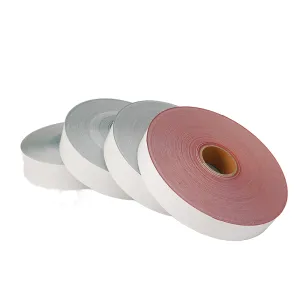
Self‑adhesive Shellac Paper Roll, Single‑sided Adhesive
Category: Insulation GasketBrowse number: 28Number:Release time: 2026-10-01 16:03:34Introduction to Self-adhesive Shellac Paper RollSelf-adhesive Shellac Paper Roll is a specialized electrical insulation material designed for applications requiring reliable insulation, gap filling, protection, and easy installation. It combines the excellent dielectric properties of shellac insulation paper with a pressure-sensitive adhesive layer, allowing users to apply the material quickly after removing the release liner.Single-sided Adhesive Shellac Paper, also known as Adhesive-backed Shellac Paper or Shellac Paper Insulation Gaskets, is manufactured by coating one side of base shellac...
News
Category:
No search results found!
Case
Category:
No search results found!
Video
Category:
No search results found!
Download
Category:
No search results found!
Job
Category:
No search results found!
Featured Products
No search results found!



 Phone
Phone