

Insulation Gasket Surface Protection
Certainly — here is a 500-word English description of Insulation Gasket Surface Protection without any company name:---Insulation Gasket Surface ProtectionInsulation gasket surface protection is an important factor in ensuring the long-term performance, reliability, and safety of gasket sealing systems. Insulation gaskets are widely used in pipelines, flanges, and industrial equipment to prevent galvanic corrosion, reduce electrical conductivity, and maintain separation between dissimilar metals. Because these gaskets often operate in harsh environments, their surfaces must be protected from mechanical damage, moisture, chemicals, UV exposure, and wear during installation and service.The primary purpose of surface protection is to preserve the integrity of the gasket material. Many insulation gaskets are made from composite materials, laminated sheets, fiberglass-reinforced plastics, or epoxy-based materials. While these materials offer strong electrical insulation properties, they can still be affected by scratches, abrasion, edge chipping, and environmental degradation. A damaged surface may reduce insulation performance, weaken sealing capability, or shorten service life. Therefore, proper surface protection helps maintain stable gasket function under demanding operating conditions.Common surface protection methods include applying protective coatings, using anti-corrosion layers, and selecting wear-resistant surface treatments. These protective layers help prevent direct contact with aggressive media such as saltwater, acids, oils, and industrial gases. In outdoor applications, UV-resistant coatings can also be used to reduce the harmful effects of sunlight and weathering. For high-temperature applications, heat-resistant protective materials are necessary to ensure that the gasket does not lose strength or insulating performance.During manufacturing and transportation, surface protection is equally important. Insulation gaskets may be damaged by stacking pressure, friction, dust, or impact. To avoid these problems, protective films, wrapping materials, and careful packaging are often used. In addition, storage conditions should be dry, clean, and away from direct sunlight or extreme temperatures. Proper handling before installation is essential because even minor surface defects can affect the final sealing result.In service, the protected surface contributes to better sealing reliability. A smooth, intact, and well-protected gasket surface ensures even load distribution across the flange faces. This helps prevent leakage, minimizes maintenance requirements, and extends operational life. In industries such as oil and gas, chemical processing, marine engineering, and power generation, reliable insulation gasket surface protection is especially critical because failure can lead to corrosion, downtime, or safety hazards.Another benefit of surface protection is improved resistance to installation errors. When gaskets are installed, they may be exposed to tool contact, misalignment, or excessive tightening force. Protective surface layers can reduce the risk of damage caused by these factors. This is particularly valuable in large-scale industrial systems where maintenance access is difficult and replacement costs are high.In summary, insulation gasket surface protection plays a vital role in preserving electrical insulation, sealing performance, and environmental resistance. By combining suitable materials, protective coatings, careful packaging, and proper handling, the service life of insulation gaskets can be significantly improved. Effective surface protection not only enhances reliability but also supports safer and more efficient industrial operation.---If you want, I can also make it:1. more technical, 2. more marketing-style, or 3. simpler for website product description.
Products
Category:
-
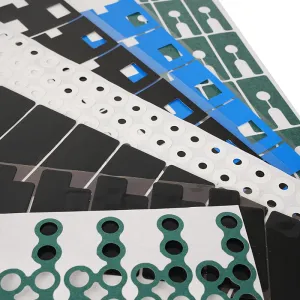
Strong Adhesive Single Sided Fish Paper Insulation Material
Category: Single Sided Adhesive Fish PaperBrowse number: 27Number:Release time: 2026-09-26 16:53:03Strong Adhesive Single Sided Fish Paper Insulation Material is a flexible electrical insulation material designed for applications that require reliable electrical isolation, surface protection, gap filling, cushioning, and convenient installation. It is commonly manufactured from a fish paper or vulcanized fiber insulation substrate laminated with a pressure sensitive adhesive on one side. The adhesive backing allows the material to be applied directly to selected surfaces without additional mechanical fastening, while the uncoated fish paper side provides an insulating and protective surface...
News
Category:
No search results found!
Case
Category:
No search results found!
Video
Category:
No search results found!
Download
Category:
No search results found!
Job
Category:
No search results found!
Featured Products
No search results found!



 Phone
Phone